Singapore: A Journey Through the Heart of Global-Asia
A global capital of culture, history, innovation, and international influence
About Singapore
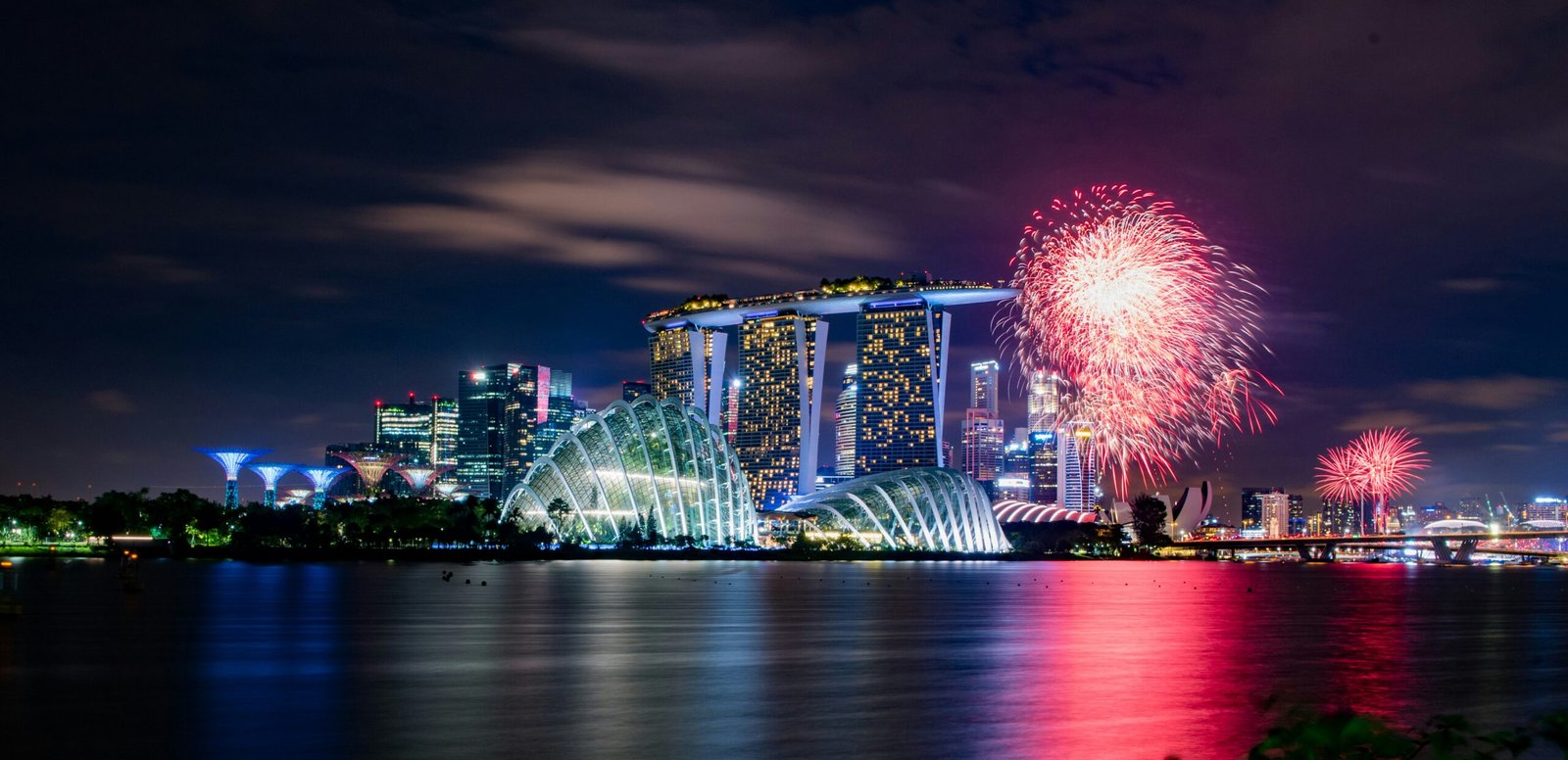
Singapore is not just a city-state; it is a high-precision masterpiece where centuries of multicultural heritage merge seamlessly with 21st-century biophilic design. From its origins as a strategic trading post to its 2026 status as the world’s leading Smart Nation, Singapore has evolved into a global beacon of finance, sustainability, and technological innovation.
Whether you are exploring the neon-lit supertrees of Gardens by the Bay or wandering through the preserved Peranakan shophouses of Joo Chiat, Singapore offers an experience that is both deeply rooted in Asian values and unapologetically futuristic. The city’s atmosphere is a unique blend of “Lion City” grit and refined luxury, making it a destination that sets the global standard for how modern metropolises should function.
A Brief History: From Maritime Port to Global-Asia Hub
To understand Singapore today, one must look toward the sea. The city’s foundations as a major trading post were established long before modern records, but its transformation into a global powerhouse began in the early 19th century.
The Foundation: Raffles and the Strategic Gateway
In 1819, Sir Stamford Raffles established Singapore as a free port. Unlike the walled cities of Europe, Singapore was designed from the outset for unfettered global trade. Remnants of this era, such as the Fullerton Building and the colonial shophouses of Boat Quay, stand today as icons of a city that was born for international commerce.
The Post-Independence Miracle: The “Garden City” Vision
In 1965, following independence, Singapore underwent an architectural and social renaissance. Under the leadership of Lee Kuan Yew, the city moved away from industrial sprawl toward the “Garden City” concept. This era saw the transition from traditional kampongs to the high-density, high-efficiency skyline that defines the Central Business District today.
The Digital Era: The World’s First “Smart Nation”
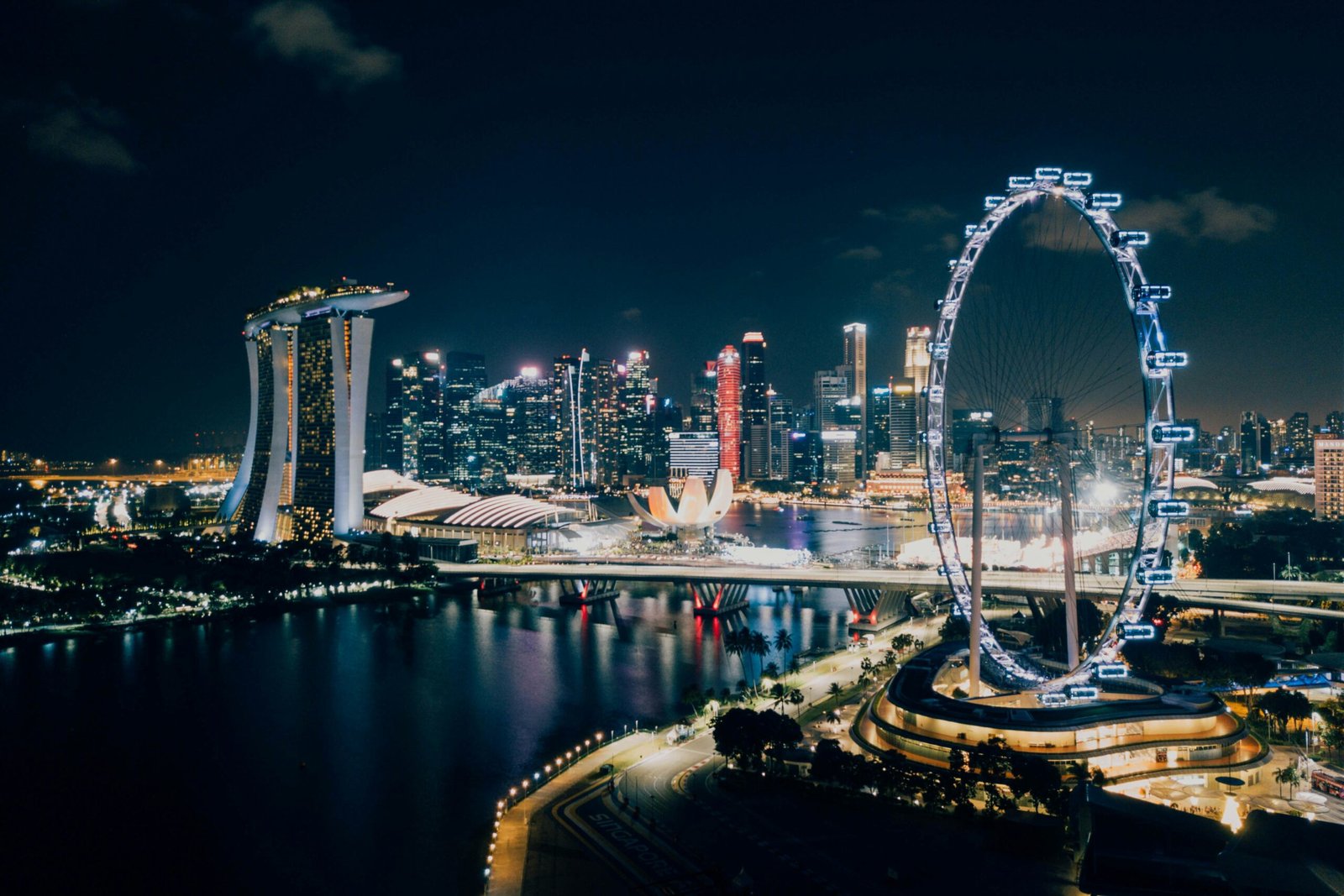
The 21st century has seen Singapore become the center of the world’s digital and financial “Silk Road.” This era gave us the iconic Marina Bay Sands, the biophilic marvel of Gardens by the Bay, and an infrastructure that is 100% 5G-integrated. It was during this time that Singapore truly became the world’s first “Future-Ready” global city.
Navigating the Districts: Singapore’s Urban Evolution
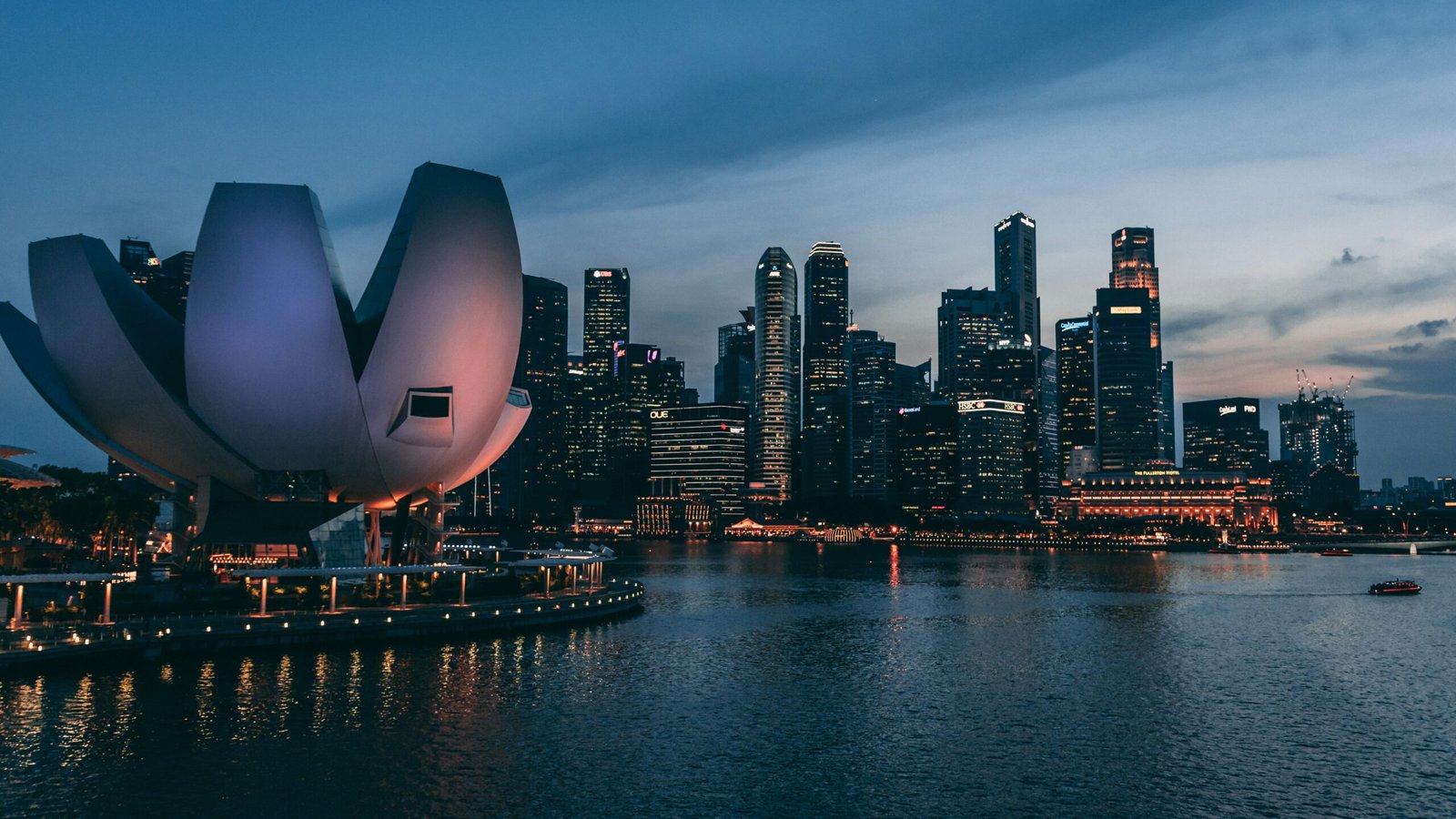
Singapore is a meticulously planned tapestry of heritage and high-tech efficiency. Each district offers a distinct atmospheric pulse, from the neon-lit skyline to the preserved roots of the Maritime Silk Road.
Marina Bay & The CBD: The Global-Asia Pulse
This is the Singapore of postcards—and the future. It is home to the iconic Marina Bay Sands, the Financial Core, and the Gardens by the Bay. Walking through these sky-bridge-connected streets, you feel the momentum of the world’s most innovative business hub. It is the administrative heart of the region and the primary destination for MICE (Meetings, Incentives, Conferences, and Exhibitions) excellence.
Orchard Road & Tanglin: The Zenith of Luxury
If you seek world-class retail and refinement, Orchard Road is the global benchmark. Known for its luxury flagship boutiques and high-end hospitality, this district is the city’s engine of fashion and consumption. Nearby, the Singapore Botanic Gardens (a UNESCO World Heritage site) provides a serene, green lungs for the urban elite.
Chinatown, Kampong Glam & Little India: The Heritage Triad
Once the ethnic enclaves of early pioneers, these districts are now vibrant canvases of culture and “New-Asia” creativity.
-
Chinatown: Famous for its Michelin-starred hawker stalls, restored shophouses, and the historic Buddha Tooth Relic Temple.
-
Kampong Glam: A hip, creative hub where the Sultan Mosque stands alongside independent boutiques and tech start-ups on Haji Lane.
-
Little India: A sensory explosion of spices, textiles, and the 24-hour retail marvel of Mustafa Centre.
Iconic Landmarks You Cannot Miss
No visit to Singapore is complete without witnessing the landmarks that define the Lion City’s identity as a global hub of innovation and greenery.
Gardens by the Bay: The Biophilic Wonder
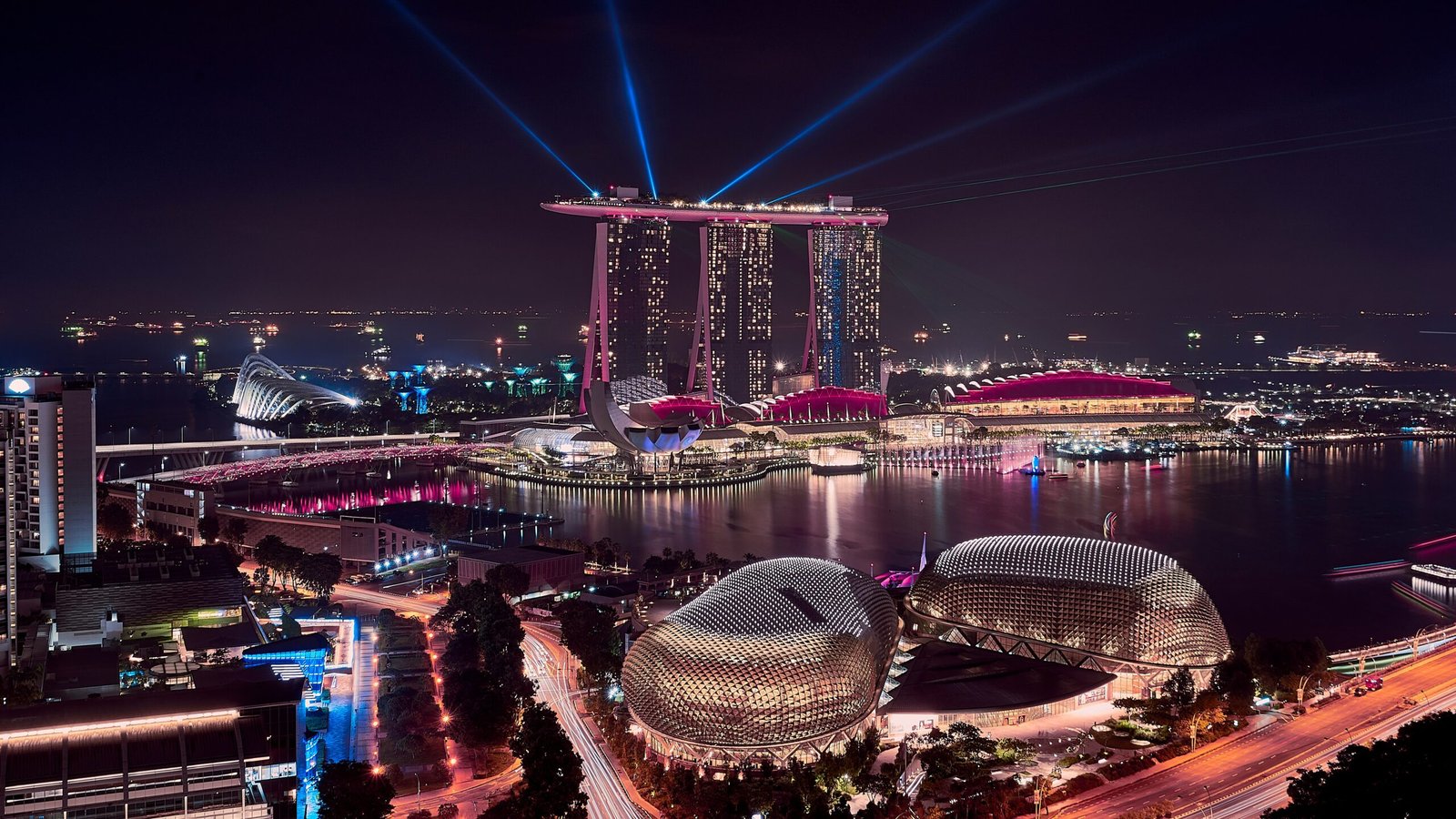
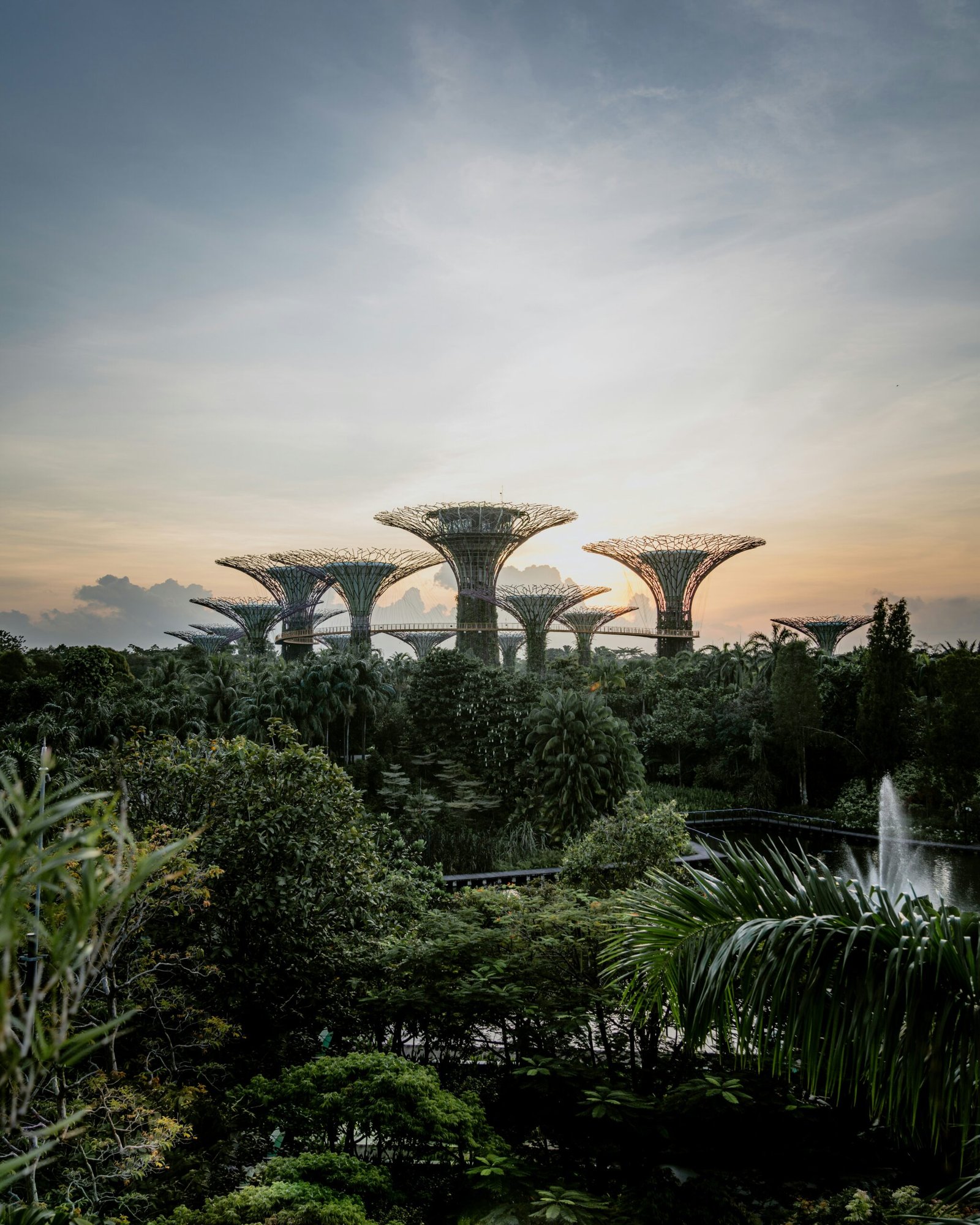
A 101-hectare fantasy land of floral artistry and engineering. It houses the world’s largest glass greenhouse (the Flower Dome) and the soaring Supertrees, which come alive nightly in a choreographed light and sound show. It is the global benchmark for sustainable urban tourism.
Marina Bay Sands (MBS): The Skyline Icon
An architectural marvel consisting of three 55-story towers topped by the Sands SkyPark. Home to the world’s largest rooftop infinity pool, it offers 360-degree views of the city’s financial core and the bustling Singapore Strait.
The Jewel Changi: Where Nature Meets Aviation
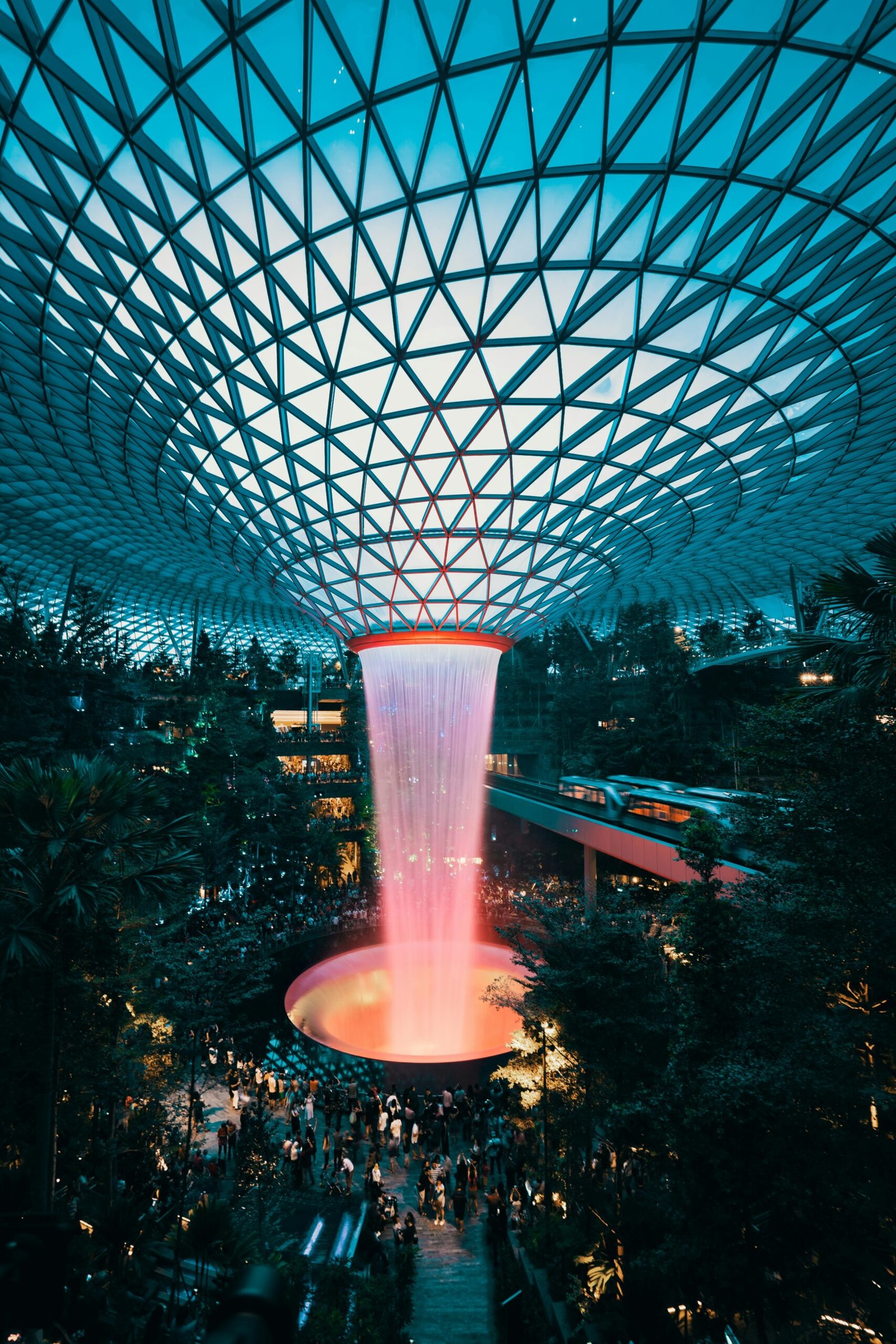
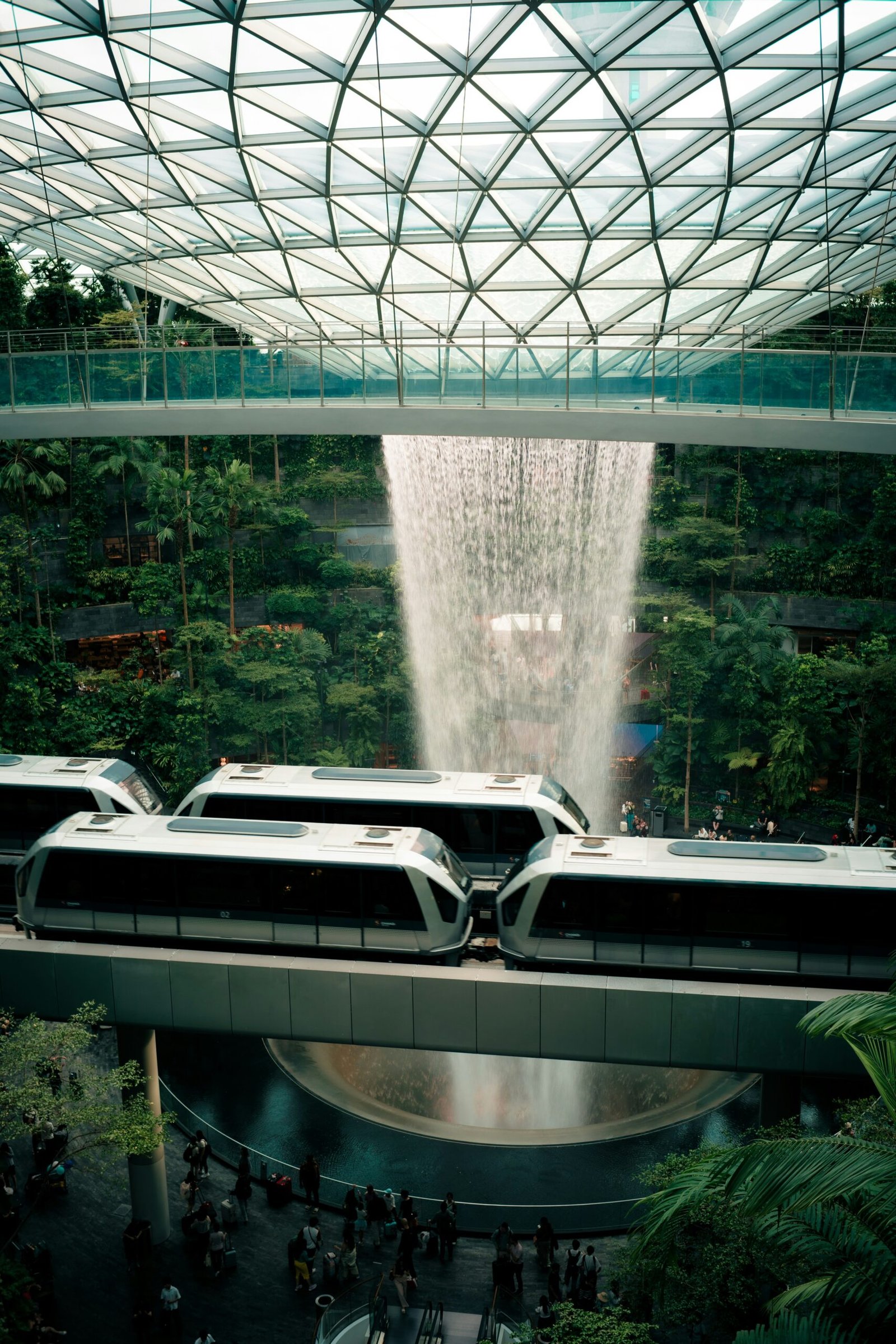
More than an airport terminal, the Jewel features the HSBC Rain Vortex—the world’s tallest indoor waterfall. Surrounded by a lush indoor forest, it represents Singapore’s commitment to making every logistical touchpoint a world-class experience.
Raffles Hotel: The Grand Dame of Heritage
A colonial-style luxury hotel that serves as a living museum. As the birthplace of the Singapore Sling, its neo-Renaissance architecture provides a graceful contrast to the surrounding glass skyscrapers of the modern CBD.
The Ultimate Singaporean Ritual: Hawker Culture & “New-Asia” Gastronomy
You cannot truly say you have experienced the Lion City without indulging in its vibrant food landscape. In 2026, Singapore’s Hawker Culture remains a UNESCO-recognized masterpiece of multicultural harmony, serving as the city’s true social heartbeat.
The Hawker Experience: Michelin Stars & Heritage
From the legendary stalls of Maxwell Food Centre and Newton Circus to the world’s most affordable Michelin-starred meals (like the famous Hawker Chan soya sauce chicken), this is a ritual of high-octane flavors. It is where you find the quintessential Singaporean “Breakfast of Champions”: Kaya Toast with soft-boiled eggs and a robust Kopi (traditional coffee).
High-Concept Dining: “New-Asia” Gastronomy
For a modern twist, Singapore’s culinary elite have redefined fine dining into what is now known as “New-Asia” cuisine.
-
The “Cloud” Experience: Head to the heights of Marina Bay Sands or ION Orchard for rooftop dining that pairs cutting-edge molecular gastronomy with panoramic views of the Singapore Strait.
-
Heritage Fusion: Visit National Kitchen by Violet Oon for a sophisticated immersion into Peranakan flavors, where traditional Laksa and Beef Rendang are elevated to high-art forms in an opulent, colonial-revival setting.
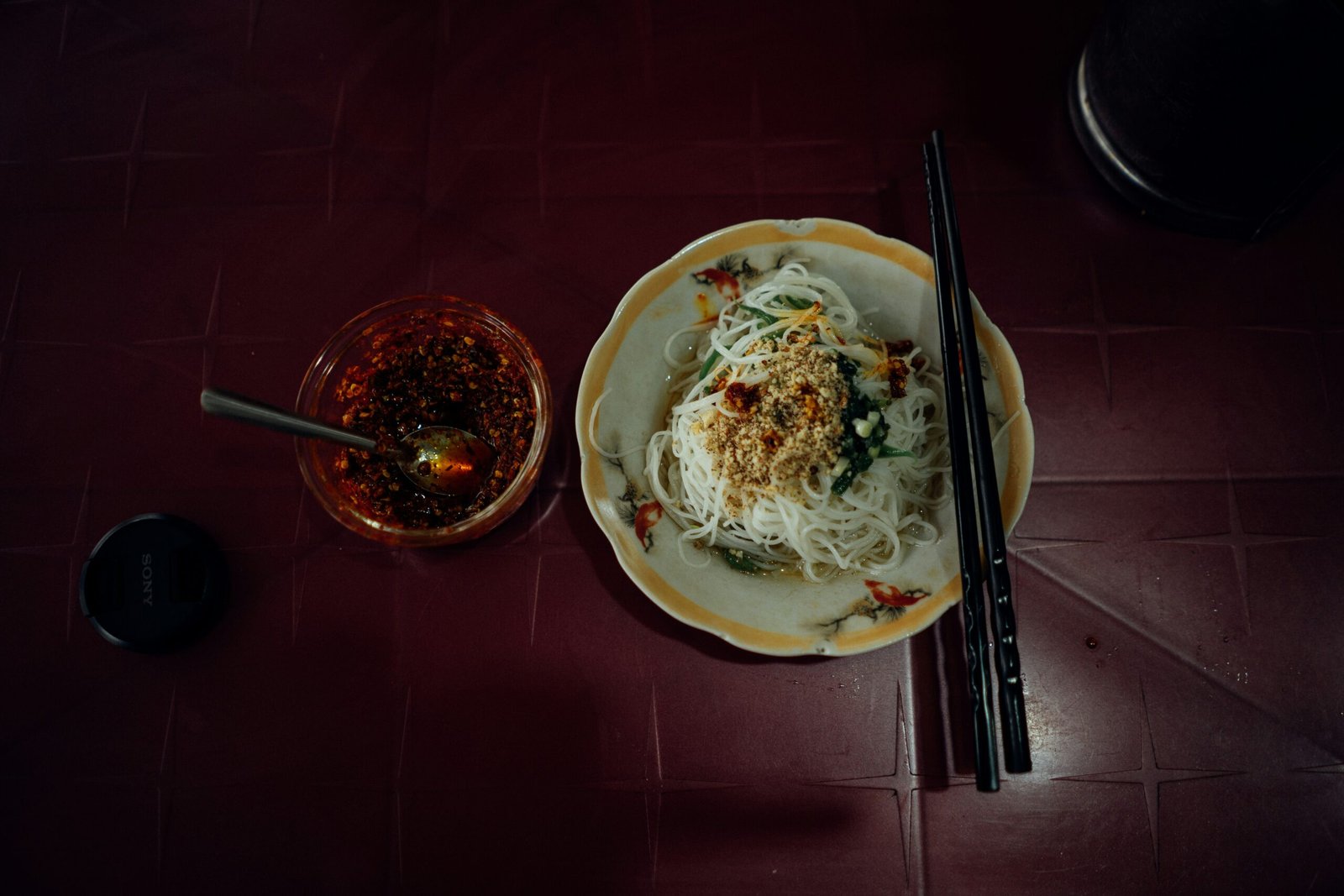
Singapore’s Gastronomy: From Hawker Centers to Michelin Stars
Singapore is arguably the culinary capital of Asia. In 2026, the city boasts one of the world’s highest densities of Michelin-starred restaurants per capita, alongside a street food scene that is UNESCO-recognized for its cultural significance.
The Hawker Culture: Singapore’s Social Heart
The “Hawker Center” is the social and culinary heart of the city. Whether it’s the historic Maxwell Food Centre or the vibrant Lau Pa Sat in the CBD, nothing beats an authentic “Hainanese Chicken Rice” or “Chilli Crab” paired with a local Kopi. These centers are where the city’s diverse ethnic roots—Chinese, Malay, Indian, and Eurasian—converge in a sensory explosion of flavor.
Michelin-Starred Innovation & “New-Asia” Dining
From the world’s most affordable Michelin-starred meal at Hawker Chan to the 3-star excellence of Odette in the National Gallery, Singapore’s fine-dining scene is a global benchmark. Many establishments now focus on “Farm-to-Table” agri-tech produce grown in Singapore’s own vertical urban farms.
A Global Sporting & Racing Capital
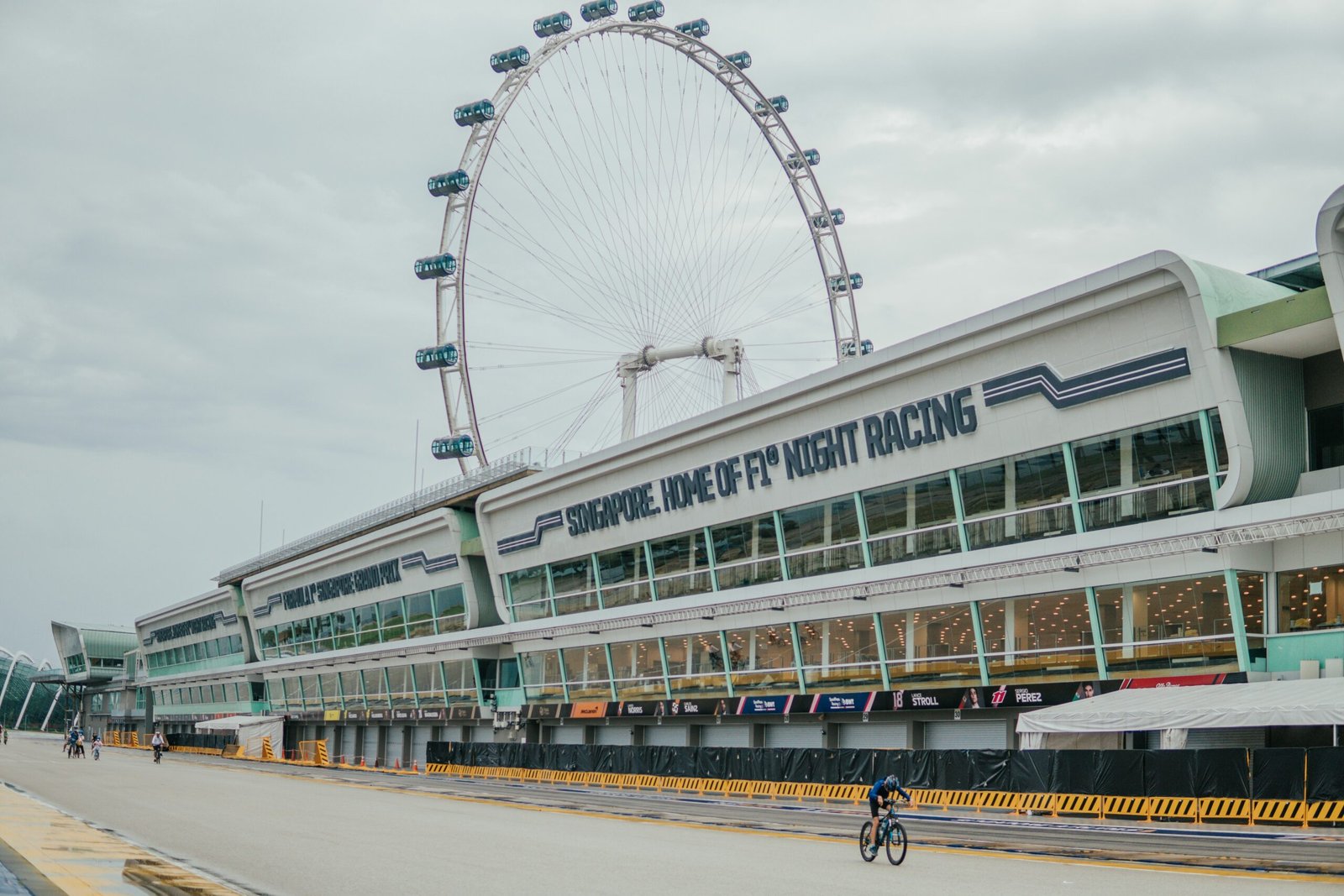
Singapore is the premier destination for high-octane international sports in Southeast Asia. Its sporting culture is defined by its ability to host world-class events within a high-tech urban landscape.
-
Formula 1 Singapore Grand Prix: The world’s first night race. Every September, the Marina Bay Street Circuittransforms the CBD into a high-speed arena, serving as the city’s most significant corporate hospitality and networking event of the year.
-
The Singapore Sevens (Rugby): Held at the state-of-the-art National Stadium, this event is a cornerstone of the global rugby calendar, known for its vibrant atmosphere and international crowd.
-
Sentosa Golf Club: Regularly voted the world’s best, this is a place of pilgrimage for golf enthusiasts, hosting the LIV Golf Singapore and the HSBC Women’s World Championship against a backdrop of the Singapore Strait.
Parks and Green Spaces: The “City in Nature” Philosophy
Singapore is a global anomaly—a hyper-dense metropolis where over 50% of the island is covered in greenery. This is not just landscaping; it is a meticulously engineered ecosystem that forms the “green lungs” of Southeast Asia.
-
Gardens by the Bay: A 101-hectare masterpiece of horticultural excellence. It features the iconic Supertrees, the Cloud Forest (home to a 35-meter indoor waterfall), and the Flower Dome, the world’s largest glass greenhouse.
-
Singapore Botanic Gardens: A UNESCO World Heritage Site and the only tropical botanic garden on the list. It is home to the National Orchid Garden, which displays over 1,000 species and 2,000 hybrids of Singapore’s national flower.
-
The Southern Ridges: A 10km stretch of green open space connecting several parks via the Henderson Waves—Singapore’s highest pedestrian bridge—offering panoramic views of the city, harbor, and the Southern Islands.
-
Pulau Ubin & Chek Jawa: For a glimpse of “Old Singapore,” this offshore island remains a rustic sanctuary of mangroves, coastal forests, and diverse wildlife, reachable via a traditional bumboat.
Beyond the CBD: Iconic Day Trips & Island Escapes
While the city-state offers endless urban exploration, Singapore’s strategic location makes it the perfect launchpad for experiencing the tropical diversity of the Malay Archipelago.
-
Sentosa Island: The State of Fun: Just 15 minutes from the city center, this premier island resort is home to Universal Studios Singapore, luxury beachfronts, and the world-class S.E.A. Aquarium. It is the ultimate “near-city” escape for incentives and leisure.
-
The Southern Islands & St. John’s: A short private yacht charter from Marina South Pier takes you to a cluster of pristine islands. Explore the lagoons of Lazarus Island or the marine biodiversity of the Sisters’ Islands Marine Park for a total contrast to the glass skyscrapers.
-
Bintan & Batam (Indonesia): Utilizing the high-speed ferry terminals, these Indonesian gems are easily accessible within 60 minutes. They offer world-class golf courses, luxury spa retreats, and a “multi-country” experience that adds immense value to any Singapore-based itinerary.
-
Pulau Ubin: A Step Back in Time: Accessible via a traditional bumboat from Changi Point, this island is home to Singapore’s last remaining kampongs (villages) and the Chek Jawa Wetlands, offering a raw, rustic experience of “Old Singapore.”
Shopping: From Heritage Shophouses to “Future-Retail” Malls
Singapore is a global shopper’s paradise, offering a seamless blend of high-tech luxury and vibrant cultural markets.
-
Orchard Road: The Great Street: A 2.2km boulevard of retail excellence. From the futuristic architecture of ION Orchard to the luxury flagship boutiques at Ngee Ann City, this is the undisputed heart of Singapore’s retail therapy.
-
The Shoppes at Marina Bay Sands: The home of ultra-luxury. Featuring a canal with traditional sampans and a massive “rain oculus,” it houses the world’s most prestigious brands like Chanel, Louis Vuitton, and the iconic floating Apple Store.
-
Jewel Changi: The Lifestyle Nexus: A world-class destination in its own right. Shopping here is an immersive experience set within a lush indoor forest, featuring global brands and the HSBC Rain Vortex.
-
Bugis & Haji Lane: The Creative Pulse: For those seeking alternative fashion, independent boutiques, and unique crafts, the colorful shophouses of Haji Lane offer a “bohemian-chic” contrast to the city’s glass malls.

Practical Information for Your Singapore Program
Getting Around: The Smart Nation Transport System
The MRT (Mass Rapid Transit) is the backbone of Singapore’s efficiency. Supplemented by a ubiquitous fleet of high-tech taxis and ride-hailing services like Grab, the city-state offers the world’s most frictionless transit experience.
-
Efficiency Tip: You do not need a travel card. Use Contactless Payment (SimplyGo) via your phone or credit card for all MRT and bus journeys.
-
The “Underground City”: Utilize the climate-controlled underground walkway systems in the CBD and Orchard Road to navigate between major hotels and malls while avoiding the tropical heat.
Climate and When to Visit
Singapore is a tropical “perpetual summer” destination. While temperatures remain consistent, the city’s event calendar defines the best time to visit:
-
The Dry Season (February–August): Ideal for rooftop corporate events and outdoor “City in Nature” exploration.
-
The F1 Season (September): The city’s peak corporate period. The Marina Bay Street Circuit brings high-octane energy and global networking opportunities.
-
Year-End Brilliance (November–January): Experience “Christmas on A Great Street” as Orchard Road transforms into a neon wonderland, and celebrate the world-famous Marina Bay Countdown for New Year’s Eve.
The Secret Side of Singapore: Hidden Gems
While the world knows the Marina Bay skyline, the true soul of Singapore lies in its hidden enclaves and elevated sanctuaries.
Tiong Bahru: The Art Deco Heritage District
Step away from the glass towers into Singapore’s oldest housing estate. A stunning 1930s Art Deco neighborhood that has transformed into a hip enclave of independent bookstores, artisan bakeries, and vinyl shops. It is the city’s premier destination for “Slow-Travel” and authentic local vibes.
Henderson Waves & The Southern Ridges
A tranquil network of forest walks and elevated boardwalks that sit 36 acres above the city. The Henderson Waves—a wave-shaped pedestrian bridge—offers a spectacular vantage point for sunset over the Southern Islands, providing a peaceful escape from the urban density of the CBD.
CapitaSpring Green Oasis: The “Sky Garden” of the Financial District
While many head to the Sands, the locals know the secret of the CapitaSpring Sky Garden. Located 280 meters up in one of the city’s newest “Biophilic Skyscrapers,” this free public garden spans four levels of tropical forest integrated into the building’s core, offering panoramic views of the Singapore Strait.
Conclusion: Why Singapore Remains Asia’s Premier Destination
Singapore is a city that defines the future. Its unique ability to balance hyper-efficient urban living with a “City in Nature” philosophy is why it remains the top choice for global business and luxury leisure in Asia. Whether you are visiting for the high-stakes innovation of the CBD, the Michelin-starred gastronomy, or the world-class “Smart City” infrastructure, Singapore doesn’t just host you; it provides a blueprint for the world of tomorrow.
Frequently Asked Questions About Singapore
Is Singapore a safe city for international travelers?
Singapore is consistently ranked as one of the safest cities in the world. Its low crime rate, well-lit streets, and efficient legal system make it an ideal destination for solo travelers, families, and high-profile corporate delegations. Travelers can navigate the city at any hour with total peace of mind.
How many days do I need to experience Singapore?
While the city’s efficiency allows you to see the major highlights (Marina Bay, Gardens by the Bay, and Orchard Road) in 3 days, a 5-to-7-day program is recommended. This allows for deeper immersion into the heritage districts, a visit to the Southern Islands, and perhaps a “bleisure” extension to the nearby luxury retreats of Bintan or Batam.
What is the currency used in Singapore?
Singapore uses the Singapore Dollar ($/SGD). While the city is a global leader in “Smart Nation” payments—with almost every merchant, taxi, and hawker stall accepting contactless mobile payments, credit cards, or GrabPay—it is always useful to have a small amount of cash for traditional market experiences.
This is why Singapore is frequently chosen for international meetings, events, and professional programs.
Ready to Experience the Future in Singapore?
Whether you are planning a high-stakes corporate summit, a strategic incentive program, or a bespoke luxury journey, our Smart City experts are ready to engineer your perfect itinerary.