The Future of Experiential Incentives: Why Singapore is the Hub for ‘Slow MICE’ in 2026
For decades, corporate travel in Singapore was a clinical race against the clock. Executives flew into Changi for 48 hours, spent 40 of them in windowless boardrooms at Raffles Place or the Suntec basement, and flew out with nothing more than a souvenir from the duty-free lounge.
As we move through 2026, that transactional model has collapsed.
The rise of “Slow MICE”—a movement prioritizing deep immersion, mental well-being, and quality over quantity—has transformed Singapore from a mere transit hub into a sanctuary for high-impact strategic growth. Today’s corporate clients are no longer asking for “the biggest ballroom”; they are asking for “the most meaningful connection to the environment.”
In this guide, we explore why Singapore has become the global capital for experiential incentives and how your company can leverage the “Biophilic Awakening” to drive measurable business growth in 2026.
Why Singapore Dominates the ‘Slow MICE’ Era:
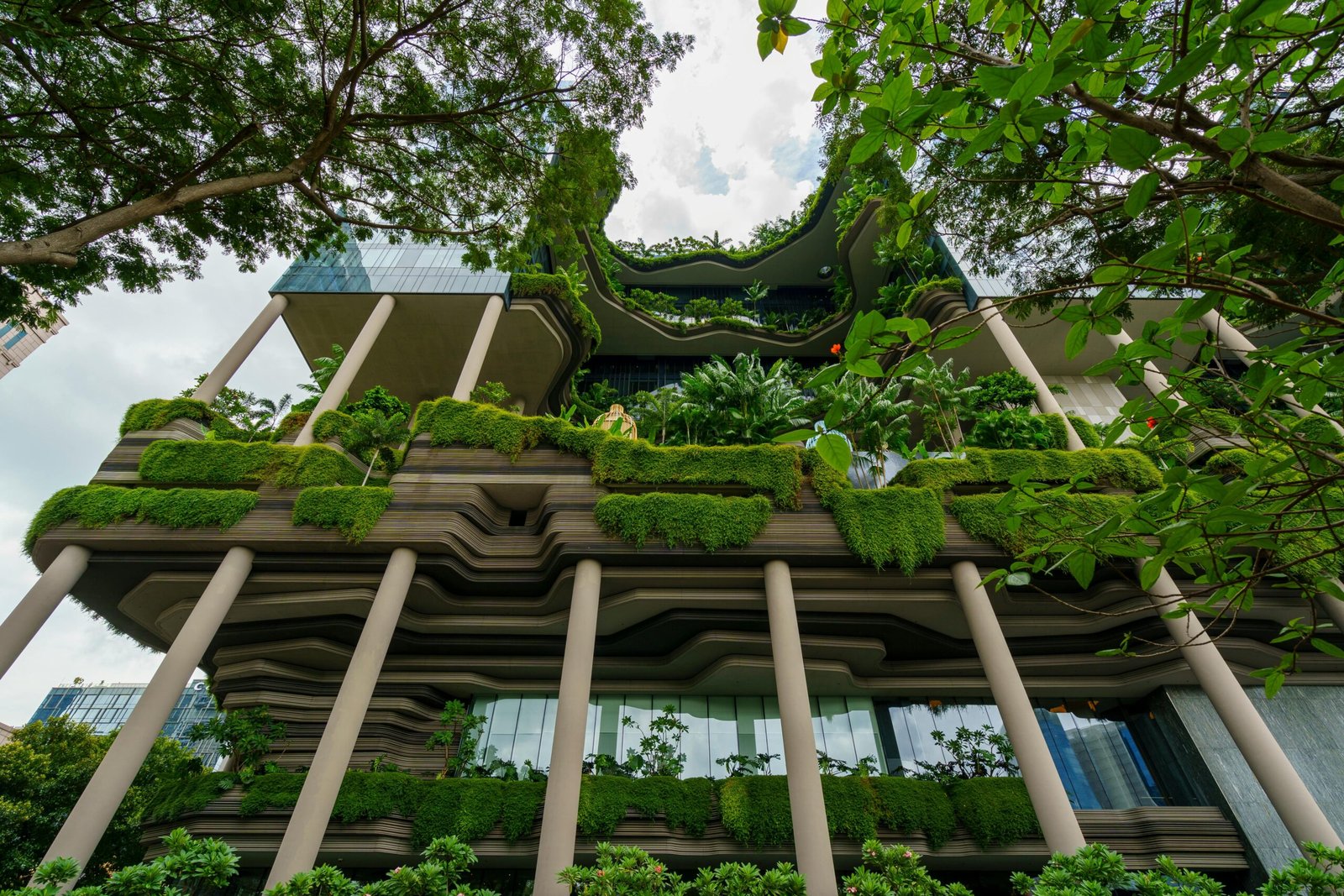
- The “Garden-to-Boardroom” Shift: 2026 planners are abandoning the “Concrete Box.” We prioritize venues like the Parkroyal Collection Pickering or the newly opened sustainable wings of Mandai, where natural light and vertical greenery reduce cognitive load and boost creative output.
- Radical Authenticity: “Slow MICE” in Singapore means trading generic catering for a private “Farm-to-Table” gala at an urban rooftop farm in the CBD or a curated “History of Spice” workshop in the Kampong Gelamheritage district.
- Wellness as a Performance Metric: With employee burnout being the top corporate risk of 2026, our itineraries integrate “Active Recovery.” Think sunrise forest bathing in the Cloud Forest at Gardens by the Bay or sound-bath retreats at Sentosa’s eco-resorts, ensuring delegates return home recharged, not depleted.
What is “Slow MICE” and Why Does it Matter for Singapore in 2026?
“Slow MICE” in Singapore is a strategic response to the “efficiency-first” culture of the past. In 2026, it is defined by three pillars localized for the Southeast Asian hub:
A. Radical Authenticity: The “Local Pulse”
Attendees in 2026 are “experience-rich but time-poor.” In Singapore, this means moving away from generic hotel ballrooms and toward private dining in the restored shophouses of Joo Chiat or “meet-the-maker” workshops with sustainable tech-artisans in the Punggol Digital District. It’s about unfiltered access to Singapore’s evolution from a colonial port to a Green Silicon Valley.
B. Wellness as a Core Strategy: Biophilic Performance
Employee burnout is the single greatest threat to corporate productivity in 2026. We integrate “Blue Health” and “Green Immersion” into Singapore itineraries. This isn’t just a yoga break; it’s the selection of venues with high-ratio biophilic design (living walls and natural ventilation) and “brain-fuel” menus designed for cognitive endurance during long strategy sessions.
C. The “Bleisure” Integration: The 2026 Gateway
According to 2026 industry data, over 70% of corporate travelers in Singapore now extend their trips. With Changi’s seamless biometric transit and high-speed links to the Riau Islands or the UNESCO sites of Melaka, Singapore is the #1 global destination for this “Business + Leisure” hybrid.
The Singapore “Evolution”: 2026’s New Hotspots
While Singapore is a city of the future, its 2026 landscape features brand-new venues that redefine luxury and tropical logistics.
The Mandai Rainforest Resort
Opening its full suite of corporate facilities in 2026, this is the ultimate “Slow MICE” sanctuary. It allows delegates to brainstorm amongst the canopy of a tropical rainforest while being only 30 minutes from the CBD. It is the premier choice for retreats requiring deep focus and a “Sense of Nature.”
NS Square (Marina Bay)
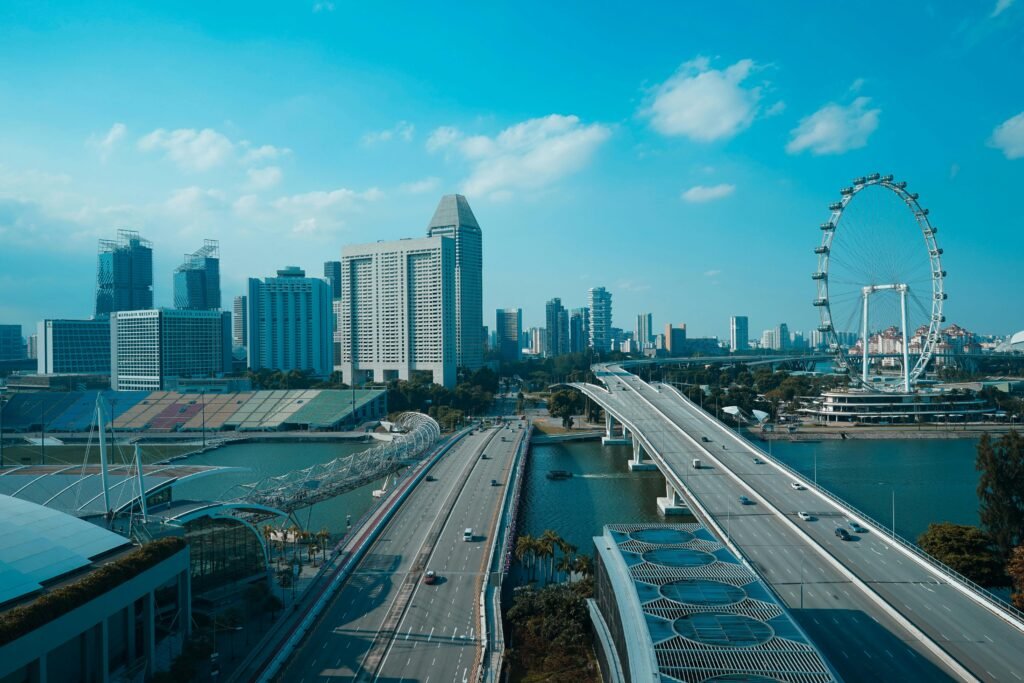
Finally completed in 2026, the NS Square has replaced the old Float at Marina Bay as the city’s premier outdoor-indoor hybrid venue. Hosting a closing gala here provides the “Radical Authenticity” of the world’s most iconic skyline, utilizing 2026-grade sustainable event technology and 5G-Advanced connectivity.
The Reimagined Pasir Panjang Power Station
This industrial icon has been fully transformed into a massive, “raw” event space for 2026. For groups of up to 2,000, it offers an industrial-chic atmosphere that provides a stark, inspiring contrast to the glass skyscrapers of the CBD. It’s a venue that forces attendees to stop, look at the scale of history, and reflect on the future.
The 2026 Singapore “New Era” Venues: Where to Book Now
In 2026, the demand for “purpose-built” has shifted toward “nature-integrated.” To keep your event ahead of the curve, we prioritize these recently opened or newly transformed icons:
- Mandai Rainforest Resort by Banyan Tree: Having celebrated its grand opening in late 2025, this is the ultimate “Slow MICE” sanctuary for 2026. It allows delegates to brainstorm amongst the canopy of a tropical rainforest while staying in 44sqm “Family Sanctuaries” or 63sqm Treehouses. It is the premier choice for retreats requiring deep focus and a “Sense of Nature.”
- NS Square (Marina Bay): Fully integrated into the downtown skyline by 2026, this 30,000-seat permanent venue replaces the old “Float.” It features a new gallery and promenade, providing the “Radical Authenticity” of the world’s most iconic skyline while utilizing 2026-grade sustainable event technology.
- Pasir Panjang Power Station: This industrial icon has been transformed into a massive, “raw” event space. For groups of up to 2,000, it offers an industrial-chic atmosphere that provides a stark, inspiring contrast to the glass skyscrapers of the CBD.
- The Frasers House (formerly InterContinental): Rebranded in January 2026 as an ultra-luxe Luxury Collection Hotel, it offers a “home-away-from-home” feel with “Club Residences” perfect for longer executive stays.
Measuring the ROI of a Singapore DMC
As a specialized Destination Management Company, we know that in 2026, CFOs want more than a “successful summit” report. They want data. With 45% of corporates forecast to increase spend in FY26, we focus on four key ROI metrics:
| Metric | How We Measure It in 2026 |
| Knowledge Retention | Using event-app heatmaps to identify which “Rainforest Sessions” drove the most interaction. |
| Employee Advocacy | Tracking the “Social Reach” of your event via attendee-generated content on LinkedIn and WeChat. |
| Sustainability Index | Providing a full carbon-footprint report using the SGFIN MICE Calculator (Transport + F&B + Energy). |
| Cultural ROI | Post-event surveys measuring the shift in “Team Trust” using the Singapore Gotong Royong (communal spirit) as a baseline. |
The 2026 Logistics: Technology without the Friction
Planning in Singapore is a masterclass in efficiency, but 2026 introduces new layers of “Invisible Logistics”:
TEL Final Stage Efficiency: We prioritize venues along the Thomson-East Coast Line (TEL), ensuring your team can move from the East Coast heritage districts to the CBD in under 20 minutes with zero stress.AI-Driven Personalization: Every attendee receives a digital “Singapore Concierge” that adjusts itineraries in real-time based on their energy levels and “Blue Zone” wellness preferences.ESG Compliance: We only partner with suppliers who hold the Singapore MICE Sustainability Certification (MSC), ensuring your corporate event is fully compliant with 2026 global reporting requirements.
ESG and the “Green Thread” of Singapore Events
By 2026, ESG reporting is a legal mandate. Singapore, under its Green Plan 2030, has positioned itself as the capital of “Accountable Events.” We pull on the “Green Thread”:
The Social Handprint: We partner with local social enterprises like Dignity Kitchen or Edible Garden City to ensure your event supports neighborhood revitalisation and food security.Zero-Waste Gastronomy: We work with caterers who specialize in “Farm-to-Fork” Singaporean cuisine, aiming to reduce waste to landfill per capita by 20% (the 2026 national target).The Modal Shift: We design itineraries that utilize Singapore’s massive investment in electric bus fleets—which make up a significant portion of the fleet in 2026—and “car-lite” zones in the CBD.
Sample “Slow MICE” Itinerary: The Singapore Evolution
To give you a glimpse of how we differentiate ourselves from a standard travel agent, here is a 3-day sample itinerary we are currently booking for 2026:Day 1: Arrival & Grounding
Morning: Seamless biometric airport exit via Changi’s “Seamless Path” followed by electric executive shuttles.Afternoon: “Urban Forest Bathing” session at the Cloud Forest, Gardens by the Bay, followed by a light, brain-fuel lunch at an urban rooftop farm.Evening: Welcome reception at the National Gallery Singapore’s rooftop, dining amongst Southeast Asia’s largest art collection.
Day 2: Deep Work & Strategy
Morning: Strategy session at the Mandai Rainforest Resort, utilizing biophilic design to boost creative output.Afternoon: “Heritage Tech Scavenger Hunt”—a team-building race through Kampong Gelam using iPad-based AR (Augmented Reality).Evening: Private “Hawker Luxe” dinner—a curated, sustainable take on local street food in a restored heritage shophouse.
Day 3: Impact & Legacy
Morning: CSR Activity: Building “Vertical Garden Kits” for local community centers or a Charity Cooking Challenge with Food Bank Singapore.Afternoon: Closing keynote at the NS Square overlooking Marina Bay.Evening: Departure or “Bleisure” extension to the Riau Islands.
Why You Need a DMC for Singapore in 2026
You might think, “I can just book a hotel on a global portal.” In 2026, that is a recipe for operational risk. Singapore’s landscape is defined by its “Green Plan 2030” interim targets and a surge in ultra-luxury hotel openings that have created immense “New-Opening” volatility.
As your Full-Service Destination Management Company, we provide:
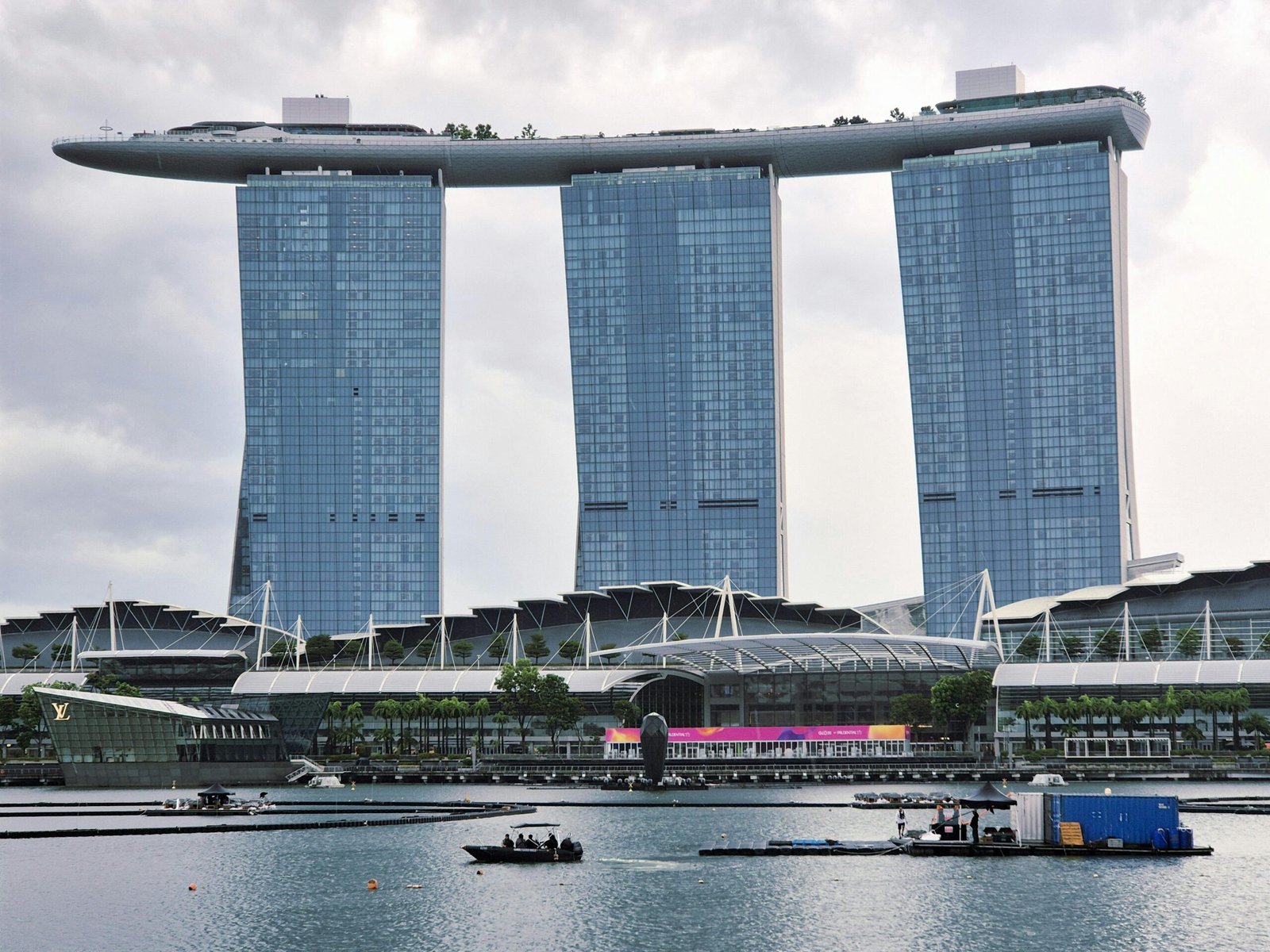
- Negotiation Power: We hold “Preferred Partner” status with the Marina Bay & Sentosa Luxury Groups(including Capella and Pan Pacific) that secures private inventories and “SG60” rates unavailable to the general public.
- Risk Management: We handle the “What Ifs.” While Singapore is a model of stability, we manage the complexities of High-Demand Peak Periods (like the 2026 Milken Institute Asia Summit). We always maintain a “Plan B” inventory of private black-and-white colonial bungalows and tech-ready gardens.
- Local Access: We unlock “Off-Market” Singapore—private rooftop urban farms in the CBD, government-owned heritage buildings at Dempsey Hill, and after-hours access to the Cloud Forest.
Inclusivity & Neurodiversity: The Singapore 2026 Gold Standard
A major shift in 2026 MICE planning is the focus on Neuro-inclusive design. We recognize that a third of your workforce may be neurodivergent, and a successful event must cater to all brain types to ensure maximum ROI.
How we implement this in Singapore:
- Calm Rooms & “Clement Spaces”: We prioritize venues like the National Gallery Singapore and Mandai Rainforest Resort that offer dedicated “low-stimulation” rooms (equipped with dimmable lights and private pods) for delegates to recharge.
- Spatial Audio & Acoustic Zoning: Utilizing 360-degree beam-forming audio in high-ceilinged convention halls to reduce cognitive load, helping participants focus on the speaker without the overwhelming “echo” typical of grand spaces.
- Non-Linear “Tropical” Agendas: We move away from the “8-to-6” marathon. Our 2026 Singapore schedules include “Garden Focus Blocks” and optional “Social Choice” periods, allowing introverts and extroverts to engage with the city on their own terms.
Conclusion: Designing Your 2026 Singapore Legacy
Singapore remains the most powerful stage in Asia for business. But in 2026, the stage must be sustainable, meaningful, and “Slow.” By moving away from the “rushed” itineraries of the past and embracing the Experiential Incentive model, your company won’t just host an event; it will spark an evolution.
As your partner in Singapore, we are ready to help you navigate the complexities of 2026—from MSC-certified logisticsto Neuro-inclusive spatial design—to deliver an event that resonates long after the flight home.